

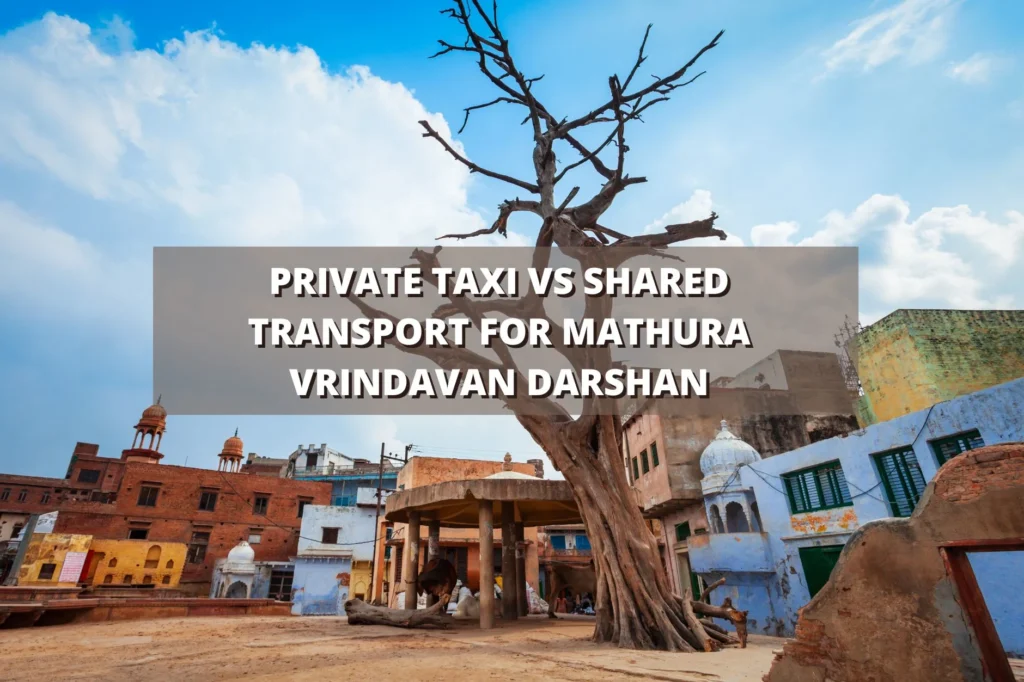
The sacred journey to Mathura Vrindavan Darshan is a dream for countless devotees of Lord Krishna worldwide. Mathura, revered as the Krishna Janmabhoomi where the Lord incarnated to vanquish evil, and Vrindavan, the enchanted forest where Krishna enacted his playful and loving leelas with Radha Rani and the gopis, comprise the spiritual core of Braj Mandal.
Every year, especially during festivals like Janmashtami, Holi, Radhashtami, and Govardhan Puja, pilgrims flock here in millions to experience divine bliss at temples such as Shri Krishna Janmasthan, Dwarkadhish Temple, Banke Bihari Mandir, ISKCON Temple, Prem Mandir, Radha Raman Temple, Nidhivan, Vishram Ghat on the Yamuna River, and many more.
Extended pilgrimages often encompass the full Braj Chaurasi Kos Parikrama, visiting places like Govardhan Hill for the sacred parikrama, Barsana (birthplace of Radha), Nandgaon (Krishna’s foster home), Gokul (where he was raised), Mahavan, Dauji Temple, Radha Kund, Shyam Kund, and serene spots like Kusum Sarovar.
This holistic darshan not only fulfills religious aspirations but also rejuvenates the soul amid the vibrant Braj culture, filled with bhajans, rasiya songs, peda sweets, and the constant chant of “Radhe Radhe.”
Yet, amid this spiritual ecstasy, one practical aspect can significantly influence your experience: transportation.
The roads connecting these sites can be bustling with traffic, pilgrims, monkeys, and vendors, while Vrindavan’s narrow lanes pose challenges for navigation.
Temple timings vary—early mangala aarti at dawn, midday closures for bhog, and enchanting evening sandhya aarti with lights and bells. Choosing between a private taxi and shared transport is crucial.
This comprehensive blog delves deep into private taxi vs shared transport for Mathura Vrindavan Darshan, providing insights, comparisons, real pilgrim perspectives, and recommendations to ensure your yatra is filled with devotion rather than distress.
Whether you’re arriving from Delhi (150 km), Agra (50 km), or farther afield, searching for “private car hire for Mathura Vrindavan tour,” “best taxi service for Krishna darshan,” “shared tempo traveller from Delhi to Vrindavan,” or “budget transport for Braj pilgrimage,” this guide will empower you to make an informed decision.
Why Transportation Matters So Much in Mathura Vrindavan Darshan
The geography of Braj Bhoomi demands reliable movement. Mathura city hosts the Janmabhoomi complex and ghats, while Vrindavan, just 10-15 km away, is a maze of over 5,000 temples clustered in narrow alleys.
Distances to outer sites vary: Govardhan is 21 km from Mathura, Barsana is 45 km, and a full circuit can exceed 200 km over multiple days.
Seasonal factors amplify challenges—cool winters attract crowds, monsoons make roads slippery, and summers bring intense heat.
Festivals transform the area into a sea of humanity, with traffic jams lasting hours. Without proper transport, you risk missing key rituals, like the curtain darshan at Banke Bihari or the illuminated tableaux at Prem Mandir.
Private taxis offer door-to-door convenience and adaptability, allowing you to align travel with your spiritual rhythm.
Shared transport, while communal, often imposes constraints that dilute the personal connection with the divine.
Detailed Overview of the Two Options
Private Taxi Services: These involve booking a dedicated vehicle exclusively for your party. Popular choices include:
- Compact sedans like the Toyota Etios or the Swift Dzire for small groups (1-4 persons).
- Comfortable MPVs such as Toyota Innova Crysta or Maruti Ertiga for families (5-8 persons).
- Tempo Travellers for larger groups (9-20 persons).
Packages typically cover fuel, tolls, driver allowances, parking fees, and waiting time. Many providers offer add-ons like English-speaking guides, devotional music playlists, bottled water, and even assistance with priority darshan tickets.
Shared Transport Options: These are collective rides shared with other pilgrims:
- AC/Non-AC tempo travellers or mini-buses operated by tour companies from major cities.
- Local shared auto-rickshaws or battery-operated e-rickshaws for intra-city hops.
- State-run UPSRTC buses connect Mathura Junction to key points.
- Pre-organized group yatra packages that bundle transport with basic accommodation.
These are cheaper but operate on fixed schedules and routes, often with multiple pickup/drop points.
In-Depth Comparison Table: Private Taxi vs Shared Transport
To make the decision easier, here’s an expanded comparison:
| Aspect | Private Taxi | Shared Transport |
|---|---|---|
| Approximate Costs (Jan 2026) |
Local full-day tour: ₹3,500 – ₹9,000 Delhi round-trip: ₹10,000 – ₹20,000 |
Local (per person): ₹400 – ₹1,200 Delhi group tour: ₹1,500 – ₹4,000 per person |
| Flexibility & Customization | Complete control over itinerary, temple timings, and unscheduled stops | Fixed routes and schedules; no personalization |
| Comfort Level | High—AC vehicle, clean seating, music, space for prasad & luggage | Variable—often crowded, noisy, minimal amenities |
| Privacy & Devotional Space | Full privacy for family bhajans, spiritual discussions, or quiet meditation | Shared with strangers; limited personal and devotional space |
| Time Management | Efficient—no waiting; maximum darshan time at each temple | Frequent delays due to group coordination and fixed halts |
| Safety & Reliability | Covers all sites, including remote ones like Radha Kund or Chinta Haran Temple | Depends on operator; higher variability in service quality |
| Accessibility for Special Needs | Excellent for seniors, children, and differently-abled—easy boarding and rest stops | Challenging due to crowds, stairs, and rushed transfers |
| Coverage of Sites | All major and offbeat locations, including Radha Kund and Chinta Haran Temple | Mostly main temples; offbeat or remote sites often skipped |
| Festival Season Performance | Adaptable to crowds; alternate routes and flexible timings | Overbooked; long waits and physical exhaustion common |
| Eco & Social Aspects | Higher carbon footprint per trip | More eco-friendly; encourages community bonding |
| Overall Experience Rating | Premium, stress-free, deeply immersive spiritual journey | Budget-friendly, energetic, but potentially tiring |
This table clearly illustrates the trade-offs, with private taxis scoring higher for most devout travelers.
Exploring the Superior Benefits of Private Taxi
Private taxis are increasingly the choice for discerning pilgrims due to:
- Personalized Itineraries: Start at 4 AM for mangala aarti at ISKCON or delay departure to witness the magical lights at Prem Mandir. Include spontaneous stops for Yamuna boat rides or shopping for flute souvenirs.
- Enhanced Comfort and Health: Air-conditioned cabins protect from dust and heat, crucial for long days involving walking in temples. Ample space accommodates wheelchairs or baby strollers.
- Expert Local Knowledge: Drivers often double as informal guides, suggesting best parking spots, avoiding fake priests, or recommending authentic eateries serving sattvic food like aloo puri or makhan mishri.
- Family-Friendly Features: Safe for children with seat belts; stops for restroom breaks or feeding.
- Multi-Day Convenience: Overnight halts in hotels with secure parking; seamless transitions between days.
One pilgrim recounted: “With our private taxi, we felt Krishna’s grace in every moment—no rushing, just pure devotion from dawn to dusk.”
Additionally, in 2026, many services will incorporate GPS tracking and cashless payments for added peace of mind.
Potential Drawbacks of Private Taxis
Higher upfront costs can deter solo travelers. Parking in crowded areas sometimes requires short walks. Environmental impact is greater unless opting for electric/hybrid vehicles (increasingly available).
When Shared Transport Truly Shines
Shared modes have their unique charm:
- Affordability for All: Enables economically weaker sections to undertake the yatra.
- Communal Devotion: Group chanting of “Hare Krishna” or sharing stories creates a sangha atmosphere.
- Authentic Local Feel: Navigating bazaars via e-rickshaws immerses you in daily Braj life.
- Convenience for Solo Pilgrims: No need to drive or navigate alone.
As a group traveler noted: “The shared bus was alive with bhajans— it felt like traveling with Krishna’s own flock!”
Perfect for youth groups or large extended families splitting a tempo.
Common Pitfalls of Shared Transport
- Exhaustion from Crowds: Standing room only in peak times leads to fatigue before reaching temples.
- Limited Exploration: Standard packages rarely include parikrama or hidden groves like Seva Kunj.
- Timing Mismatches: Missing unique experiences like Banke Bihari’s playful curtain openings.
- Hygiene Concerns: Variable cleanliness in shared vehicles.
- Security Issues: Luggage management in crowds.
Many pilgrims switch to private after one shared experience, especially families.
Updated Cost Insights and Practical Booking Advice for 2026
Costs have risen slightly due to fuel prices, but competition keeps them reasonable.
Private Taxi Samples:
- Same-day Agra-Mathura-Vrindavan: ₹5,000-₹8,000 (sedan).
- 2-day with Govardhan/Barsana: ₹15,000-₹25,000 (Innova).
Shared Samples:
- Delhi shared AC tempo: ₹2,500-₹4,500/person (including basic tour).
- Local e-rickshaw full circuit: ₹800-₹1,500/group.
Booking Tips:
- A reservation is essential for festivals (book 1-2 months ahead).
- Check inclusions/exclusions carefully.
- Verify driver credentials and vehicle condition.
- Opt for reputed services with online reviews.
Tailored Recommendations Based on Traveler Types
- Families/Seniors/Couples: Undoubtedly private taxi for comfort and bonding.
- Solo/Young Backpackers: Shared for adventure and savings.
- Large Groups (10+): Private tempo for best value.
- International/NRI Visitors: Private with English support.
- Hybrid Strategy: Private from the gateway city, shared locally for flavor.
Concluding Reflections: Choose What Elevates Your Bhakti
In the divine land where Krishna danced the Ras Leela, your journey should mirror that joy—free from mundane worries.
While shared transport fosters community, private taxis provide the serenity needed for profound spiritual connection.
A touching quote from a devotee: “True darshan begins when the heart is at peace; a comfortable ride cleared the path for Krishna to enter mine.”
Elevate your Mathura Vrindavan Darshan with the right choice.
For unparalleled private taxi services, Mathura Vrindavan Taxi Services stands ready. We provide modern, well-maintained vehicles, experienced and courteous drivers, fully customizable packages, and 24/7 support to make your pilgrimage seamless and sacred.
Contact us now at info@mathuravrindavantaxiservices.com or call +91-9759071258. Explore options and book securely at mathuravrindavantaxiservices.com.
May your yatra be filled with Krishna’s blessings. Radhe Radhe!
FAQs
Q1: What is the main difference between a private taxi and shared transport in Mathura–Vrindavan?
A: A private taxi is booked exclusively for you or your group, offering flexibility and comfort, while shared transport (auto, e-rickshaw, shared tempo) involves traveling with other passengers on fixed or semi-fixed routes.
Q2: Which option is better for temple darshan in Mathura Vrindavan?
A: A private taxi is generally better for temple darshan as it allows you to visit temples at your own pace, avoid unnecessary waiting, and adjust timing based on crowd conditions.
Q3: Is a private taxi more expensive than shared transport?
A: Yes, private taxis cost more than shared transport. However, when traveling with family or a small group, the cost difference becomes minimal compared to the added comfort, time savings, and convenience.
Q4: Are shared autos and e-rickshaws easily available in Vrindavan?
A: Yes, shared autos and e-rickshaws are widely available near Banke Bihari Temple, ISKCON, Prem Mandir, and Chhata Bazaar, but availability can be limited during peak hours and festivals.
Q5: Which option is suitable for senior citizens and children?
A: A private taxi is strongly recommended for senior citizens, families with children, and pilgrims with mobility issues due to easier boarding, reduced walking, and flexible stop points.
Q6: Do private taxis save time during darshan?
A: Yes. Private taxis save significant time by reducing wait periods, avoiding route changes, and allowing direct transfers between temples, especially on busy days.
Q7: Is shared transport safe for first-time visitors?
A: Shared transport is generally safe but can be confusing for first-time visitors, particularly due to route changes, overcrowding, and limited communication in peak seasons.
Q8: Can private taxis access temple parking areas?
A: Most private taxis can access designated parking zones near major temples, whereas shared vehicles often drop passengers farther away, requiring additional walking.
Q9: Which option is better during festivals like Janmashtami or Holi?
A: During festivals, private taxis are highly recommended due to heavy crowd pressure, route diversions, and limited availability of shared transport.
Q10: How do I choose the right option for my Mathura Vrindavan darshan?
A: Choose a private taxi if you value comfort, time efficiency, and flexibility. Opt for shared transport if you are traveling solo, on a tight budget, and familiar with local routes.


